Home › Massachusetts › Reading
Tree Service in Reading, MA
On Reading's scenic roads, Mill, Walnut and South Streets, a tree just 4 inches thick at a foot off the ground can't be cut in the right-of-way without the town's consent (Scenic Roads Regulations). Call (978) 698-4783 or use the form. A person reads every request and replies with what happens next.
- Free for homeowners
- Insurance checked first
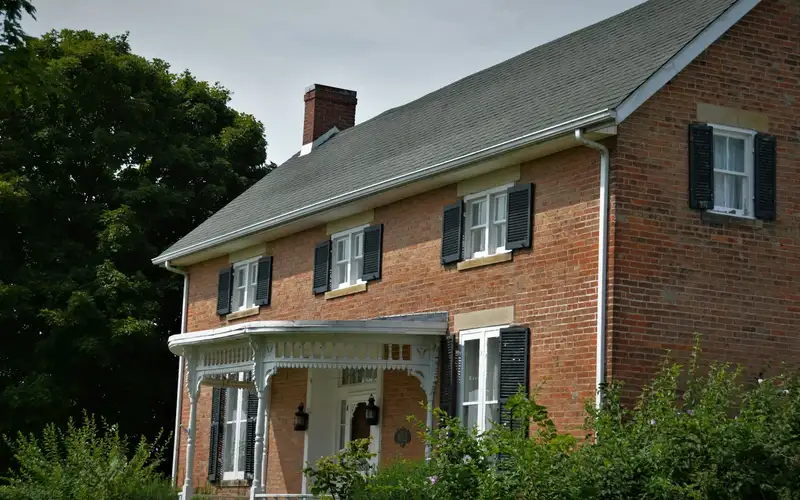
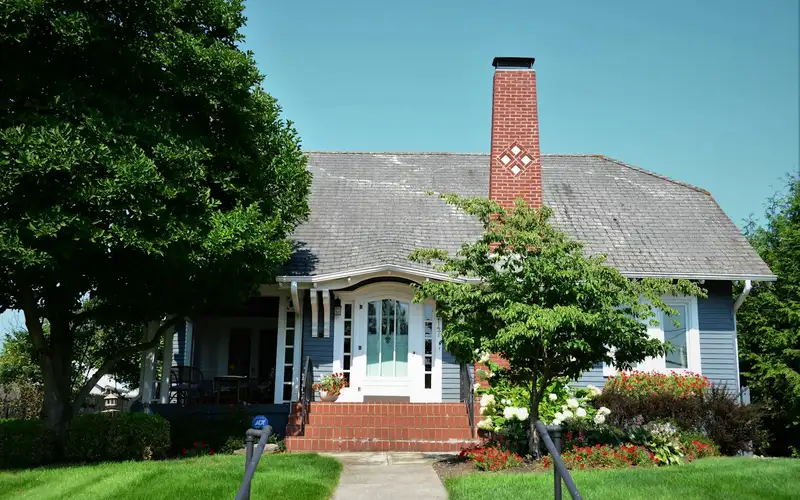
- Old street trees, old houses
Ask About Tree Service in Your Area
Describe the tree, your street and whether it stands near a pond, brook or swamp. A person reads it and replies with what happens next.
Please add your name, a 10-digit phone number and a valid email.
Your request didn't go through on our end. Please call (978) 698-4783 so it isn't lost.
Too many requests have come from this connection in a short time. Please call (978) 698-4783 and we'll take it from there.
We couldn't finish the spam check. Wait a moment and send it again, or call (978) 698-4783.
Tree work in Reading
Tree jobs among Reading's older homes and swamps
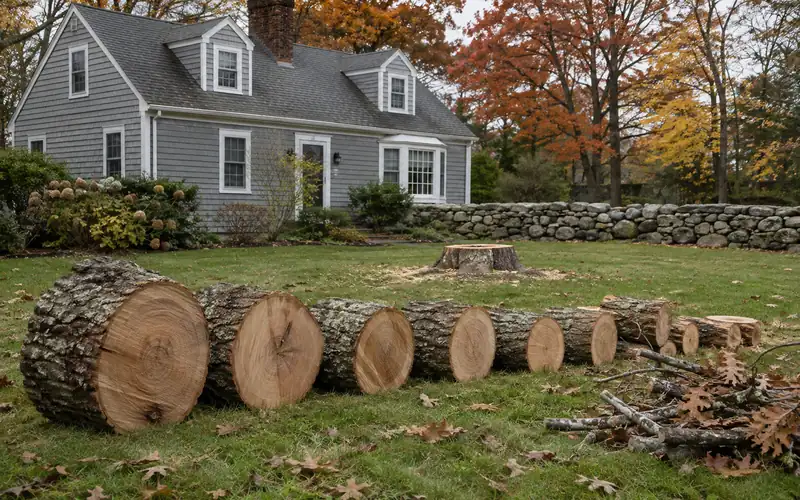
Tree Removal
Dead, dying, leaning or simply unwanted trees, including the tight ones that have to come down in sections over a roof.
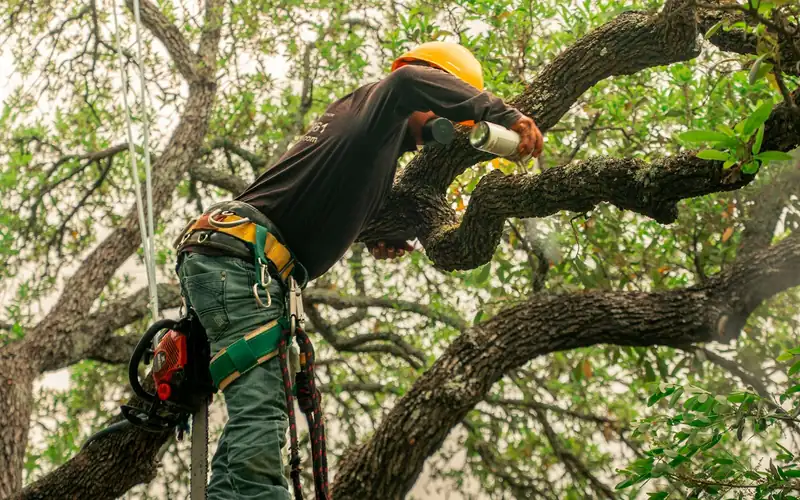
Pruning & Trimming
Deadwood out, limbs lifted off the roof and the service wire, and crowns thinned so the tree stands up to wind and snow.
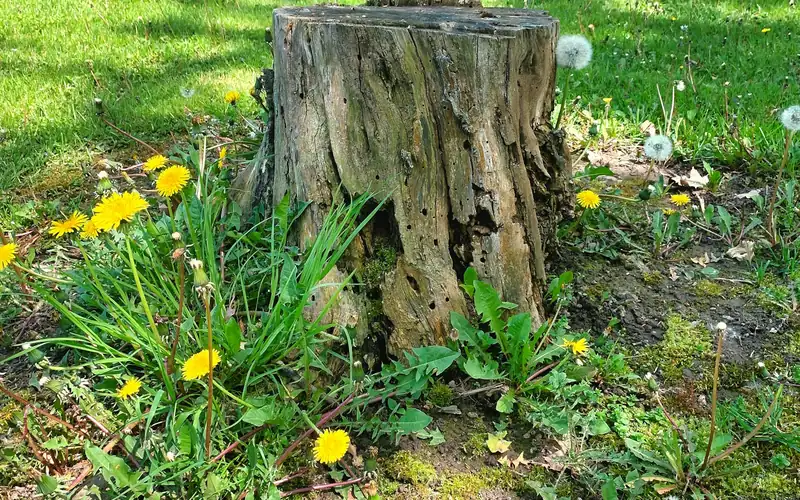
Stump Grinding
Grinding the stump below grade so the spot can be seeded, planted or paved, with the chips hauled off or left as mulch.
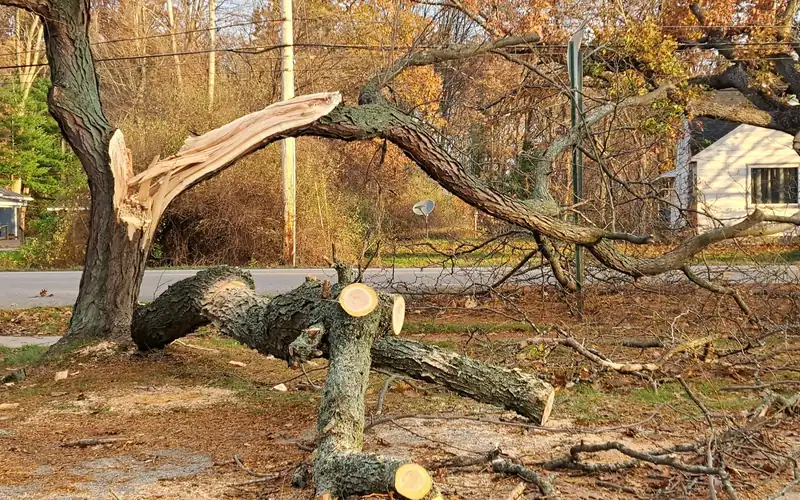
Storm Damage & Emergency Work
Trees and big limbs on the house, the car or the driveway after wind, ice or a nor'easter, once the utility has made any wires safe.
Not sure what the tree needs?
(978) 698-4783More than half of Reading's homes were built before 1960 (2023 housing plan), so tell us how close the tree is to the roof, the wires and the street.
Rules and permits
Who decides about trees in Reading
Reading's Forestry Supervisor serves as Tree Warden and looks after trees on public grounds and in the public right-of-way (Parks & Forestry). On three scenic roads the Community Planning and Development Commission (CPDC) has a say too, and near wetlands the Conservation Commission does. We found no town permit for cutting a tree on private land outside those rules.
- Tree Warden
- Forestry Division, DPW, 781-942-9092; nights and weekends 781-944-1212
- Scenic roads
- Mill, Walnut and South Streets; trees 4 in. and up need CPDC consent
- Wetlands
- Tree cutting within 100 ft of a wetland or 200 ft of a river needs approval
- Town tree removal
- Only if dead or a hazard; healthy trees by request and hearing
- Brush
- Compost Center, Strout Ave, April to November, with a sticker
Public trees. The Forestry Division prunes and removes hazardous town trees and replants where it makes sense. Its standard is plain: trees come down only if they are dead or judged a hazard, and the town doesn't remove one just because the sidewalk next to it has failed (Parks & Forestry). Requests go through the town's SeeClickFix service requests or to DPW/Forestry at 781-942-9092, weekdays 7 to 3, and to 781-944-1212 for emergencies at night, on weekends and holidays.
Asking for a healthy town tree to come down. Write to the Tree Warden at Town Hall, 16 Lowell Street. The Tree Warden makes a determination, and a public hearing follows. The town's page quotes the state law that all trees within a public way or on its boundaries are public shade trees, and that only the tree warden or a deputy may cut, trim or remove one; anyone else needs a written permit. If you can't tell whether a tree is public, DPW staff will research it (Tree Hearings).
Three scenic roads with a low trigger. The 2022–2029 open space plan names Mill, Walnut and South Streets as Reading's scenic roadways (open space plan). Under the town's Scenic Roads Regulations, cutting or removing a tree 4 inches or more in diameter, measured 1 foot above the ground, or moving or destroying a stone wall in the right-of-way during repair, maintenance, reconstruction or paving needs CPDC consent. The work application costs $90 plus publication costs; the hearing comes within 60 days of a complete application, with notices at least 14 and 7 days ahead, and a written decision follows within 21 days of the hearing closing. Violations can bring fines of up to $300 per citation and replacement in kind. The CPDC holds its hearings jointly with the Tree Warden's public shade tree hearings where it can, but consent from one is not consent from the other (Scenic Roads Regulations).
Wetlands: 100 and 200 feet. General Bylaw section 7.1 regulates land within 100 feet of resource areas, and 200 feet along rivers. The Conservation Division lists cutting trees or shrubs among the work that needs the Commission's approval before it starts within 100 feet of a wetland, lake or pond, 200 feet of a river or stream, or in the 100-year floodplain; you can check your lot on the town's MapGeo and call the Conservation Administrator at 781-942-6616 (Conservation Division). The Commission's wetlands regulations offer a $50 Minor Project approval for pruning more than 50 feet from a resource area, and their normal maintenance exemption covers trimming and pruning, but not removing, trees in existing landscaped yards with no net loss of native vegetation (Wetlands Protection Regulations). Under the Commission's 2014 Tree Cutting Policy, unauthorized work in these areas brings an enforcement order to the owner, the contractor or both, and possibly fines (Tree Cutting Policy).
A tree policy under revision. The Commission's Tree Replacement Policy is linked from the Conservation Division page. In March 2026 the town posted a policy dated March 4, 2026, in a file named "Proposed Changes 3-4-2026 Draft," that would revise it, including an administrative path for homeowners removing a small number of trees (proposed changes, March 2026). We could not confirm whether that version has been adopted; ask the Conservation Administrator which version applies before you plan removals near a wetland.
Town trees on conservation ground. Under the DPW and Conservation tree protocols, last revised in December 2023, the Tree Warden handles the safety of town trees and coordinates with the Conservation Administrator in jurisdictional areas. If you want a town tree in one of those areas removed and it isn't a hazard, the Tree Warden sends you to the Conservation Administrator; a private tree company has to do the work, and you pay for it and for meeting the Conservation permit requirements. Town trees that fall on Conservation Restriction land with no safety concern are left where they lie (DPW/Conservation tree protocols).
Historic districts. Reading has the West Street Historic District and the Summer Avenue Historic District Area, and the Historic District Commission's design guidelines exempt plant materials and trees from review, though fences and walls are reviewed (HDC guidelines).
Trees near RMLD lines. Reading's electricity comes from the Reading Municipal Light Department at 230 Ash Street (state electric company list, RMLD). RMLD trims trees and brush that are too tall or could grow into its lines, leaving public shade trees to the town and private trees to their owners. Don't touch a tree that's touching a line; call 781-942-6598, staffed 24 hours. If a tree on your land is threatening a line, call RMLD to find out whether you can trim it yourself or need a professional (RMLD tree trimming).
Digging. State law treats digging, augering and grading as excavation and requires notice to Dig Safe at least 72 hours ahead, weekends and legal holidays excluded (M.G.L. c.82 §40A, definition of excavation, c.82 §40). Dig Safe suggests the hired contractor place the call (Dig Safe FAQs).
Last verified November 2026. Fees, restrictions and deadlines on this page are due for re-checking by February 2027. New England Tree Service is a referral service. We don't cut trees, request hearings or file with the conservation commission.
Brush, burning, town woods and pests
Where the brush goes in Reading
The Compost Center. Forestry runs the Compost Center on Strout Avenue, open April through November (Parks & Forestry). You need a Compost Sticker; the 2026 sticker costs $25, or $15 for residents over 65, covers one vehicle and is sold at the DPW in Town Hall, Monday to Thursday 8 to 4, with proof of residency (Rubbish & Recycling).
At the curb. The town collects leaves free for six weeks a year, four in the fall and two in the spring, in Kraft paper bags only, and picks up Christmas trees during one week in January (Rubbish & Recycling). Branches and logs from a removal aren't part of that, so settle chipping and haul-away with the tree company.
Burning. Reading isn't one of the communities where the state bans open burning outright (open burning safety), but we found no town page on brush burning permits; the Fire Department is the place to ask before you plan a burn.
Town Forest and the cedar swamps. The 2022–2029 open space plan counts 310 acres of Town Forest and well fields, North Cedar Swamp at 429 acres, South Cedar Swamp at 119, Timberneck Swamp at 101 and Bare Meadow at 84.5 (open space plan). Lots that back onto that land are the ones most likely to fall inside the Conservation Commission's 100-foot reach.
Moths and ash. The DPW says it has no town-wide spray program for spongy moth or winter moth (Parks & Forestry), so defoliated trees on private land are the owner's call. Emerald ash borer has been confirmed in 280 Massachusetts communities, and the state advises chipping ash or leaving it on site (state emerald ash borer guide).
New street trees. Residents can ask Forestry for a town tree; sites are evaluated and listed for fall planting, and the overflow waits for the next year because the budget is limited. There's also a Donate a Tree Program (Parks & Forestry).
FAQ
Reading tree questions
The town tree in front of my house is healthy but I want it gone. What now?
Send a written request to the Tree Warden at Town Hall, 16 Lowell Street. The Tree Warden makes a determination and a public hearing follows. On its own, the town removes public trees only when they are dead or a hazard, and not because a sidewalk has heaved.
How do I know whether a tree is the town's or mine?
Call the DPW at 781-942-9092 and staff will research it. State law treats every tree within a public way or on its boundary as a public shade tree.
Do I need approval to cut trees near a wetland in Reading?
Yes. Cutting trees or shrubs within 100 feet of a wetland, lake or pond, within 200 feet of a river or stream, or in the 100-year floodplain needs the Conservation Commission's approval first. Call the Conservation Administrator at 781-942-6616.
Where can I take brush from a tree job?
To the Compost Center on Strout Avenue, open April through November, with a Compost Sticker. The 2026 sticker costs $25, or $15 for residents over 65, and is sold at the DPW in Town Hall.
What does it cost me to use New England Tree Service?
Nothing. The request and the referral are free; the tree company prices the work.
Nearby