Home › Massachusetts › Winchester
Tree Service in Winchester, MA
Near a Winchester wetland, taking down a healthy 10-inch tree can mean planting five replacement trees or paying $3,500, under the Conservation Commission's September 2025 tree replacement rule (wetlands bylaw regulations). Call (978) 698-4783 or use the form. A person reads every request and replies with what happens next.
- Free for homeowners
- Insurance checked first
- Wedgemere to the Woburn line
Ask About Tree Service in Your Area
Say what the tree is doing and whether water or the street is close by. A person reads it and replies with what happens next.
Please add your name, a 10-digit phone number and a valid email.
Your request didn't go through on our end. Please call (978) 698-4783 so it isn't lost.
Too many requests have come from this connection in a short time. Please call (978) 698-4783 and we'll take it from there.
We couldn't finish the spam check. Wait a moment and send it again, or call (978) 698-4783.
Tree work in Winchester
Tree jobs in Winchester's older neighborhoods and wet lowlands
Tree Removal
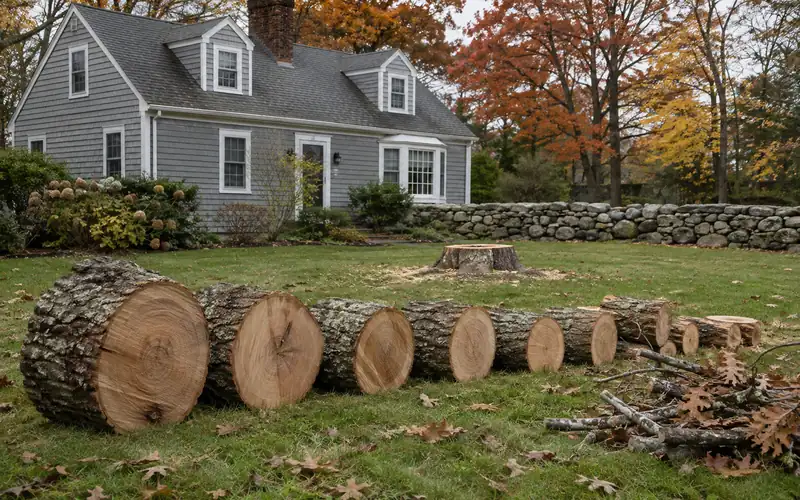
Dead, dying, leaning or simply unwanted trees, including the tight ones that have to come down in sections over a roof.
Pruning & Trimming
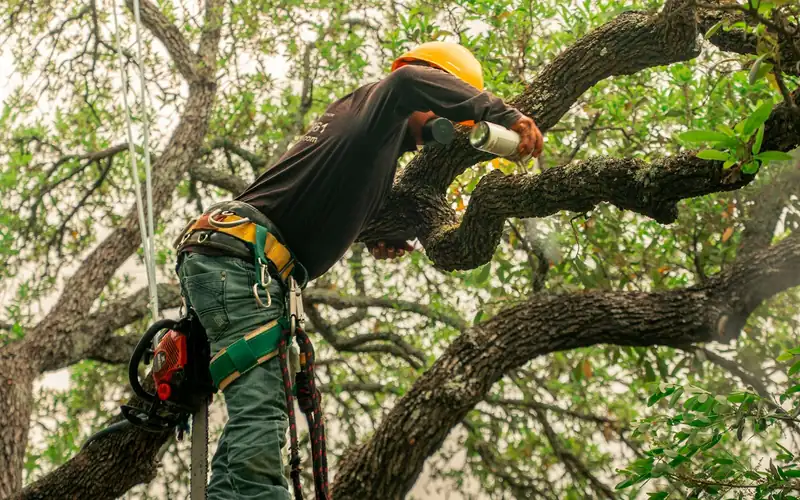
Deadwood out, limbs lifted off the roof and the service wire, and crowns thinned so the tree stands up to wind and snow.
Stump Grinding
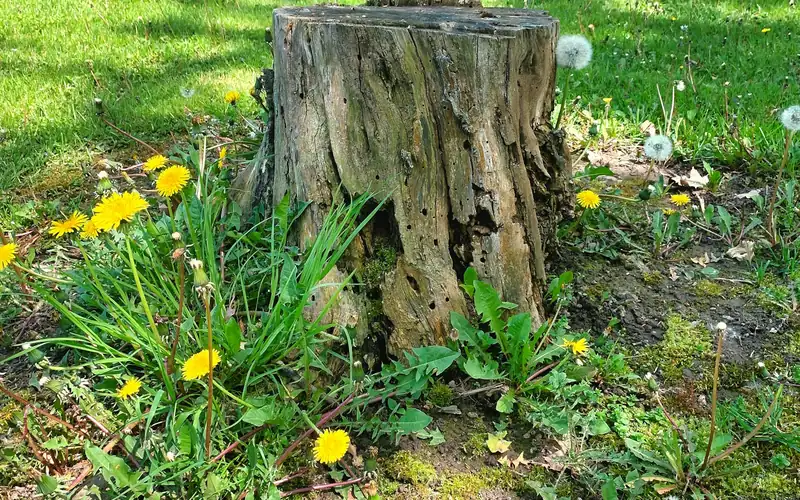
Grinding the stump below grade so the spot can be seeded, planted or paved, with the chips hauled off or left as mulch.
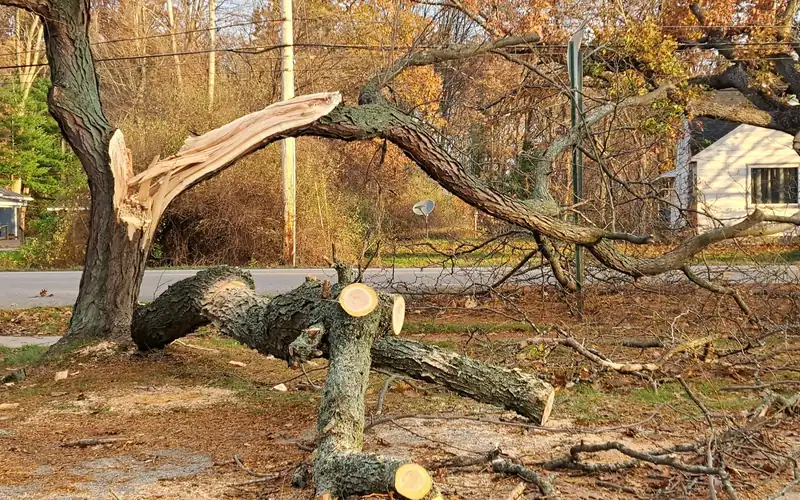
Storm Damage & Emergency Work
Trees and big limbs on the house, the car or the driveway after wind, ice or a nor'easter, once the utility has made any wires safe.
Not sure which job it is?
(978) 698-4783Tell us if the tree stands near the street or near water. In Winchester the first brings in the Tree Warden, the second the Conservation Commission.
Rules and permits
Who decides about trees in Winchester
Winchester's Public Shade Trees bylaw puts every tree in or on the edge of a public way, and every tree on town land, under the Tree Warden's permit, pruning included. Near wetlands the Conservation Commission decides, and its 2025 regulations put a number on each tree removed. We found no scenic roads and no town permit for an ordinary private tree away from water.
- Tree Warden
- DPW Director, unless the Select Board designates someone else; DPW, 15 Lake St, 781-721-7100
- Street and town trees
- Written Tree Warden permit to cut, prune or remove
- Unpermitted removal
- Up to $500 per tree, plus mitigation
- Near wetlands
- Conservation approval within the 100-ft buffer; replacement or payment for trees 6 in. and up
- Burning
- Free permit by phone, January 15 to May 1, 10 a.m. to 4 p.m.
- Brush drop-off
- Transfer Station, 15 McKay Ave; logs up to 5 in., no stumps
Chapter 18, Public Shade Trees. Adopted at Spring Town Meeting in 2013 and amended since, the bylaw protects public shade trees, meaning any tree within a public way or on its boundaries, and town trees in parks, open space, school grounds and other town land, with Wildwood Cemetery left out. Its definition of tree removal takes in excessive or improper pruning and damage from excavation or construction. Nobody may cut, prune, remove or damage one of these trees without the Tree Warden's written permit, and the Building Commissioner tells the Tree Warden before issuing demolition or building permits so the trees on the job get looked at. If it's disputed whether a tree is public, the applicant carries the burden and may need a Massachusetts Professional Land Surveyor (Chapter 18).
The hearing, and who pays. To remove a tree that isn't a hazard, the Tree Warden posts notice on the tree and in two public places and holds a public hearing. The applicant pays for a newspaper notice two weeks in a row and notifies parties of interest in writing. Written objections send the decision to the Select Board under state law. The applicant can be charged for the ads, a certified arborist's inspection, tree and stump removal, protective fencing, replacement trees or tree-fund contributions, police details and sidewalk or grass-strip repairs, all estimated by the Tree Warden and paid up front (Chapter 18 procedures). Each tree removed without a permit is a separate offense, with fines of up to $500 plus mitigation, and every day past an agreed completion date is a new offense (Chapter 18).
What the bylaw leaves out. Trees on private ways, emergencies, hazard trees the Tree Warden certifies in writing, trees the state identifies as a disease or insect risk, state highway vegetation and routine DPW work on trees under 1.5 inches are exempt (Chapter 18 procedures). Private trees come under the bylaw only for unapproved work on a public tree or when a private tree is a public safety hazard (Chapter 18). With an owner's written consent, the town can plant public shade trees on private land within 20 feet of the street layout, and donations go to the Peter Van Aken Tree Fund. A fallen tree on town property can be reported through the town's Report an Issue tracker.
Wetlands: approval, then arithmetic. The Conservation Department administers the state Wetlands Protection Act and the town's Wetlands Bylaw, Chapter 13, and keeps a resource-area map; it's at 781-721-7152 (Conservation Department). Under the buffer regulations approved May 27, 2025 and the Tree Replacement Regulation of September 23, 2025, removing any tree in a wetland or the 100-foot buffer zone needs the Commission's approval. A tree 6 inches or more in diameter at breast height may have to be replaced with 2-inch-caliper trees adding up to the same total diameter, planted within 12 months and maintained for 24. The regulation's examples run from 3 trees or $2,100 for a 6-inch tree, through 5 trees or $3,500 at 10 inches and 7 trees or $5,250 at 15 inches, to 10 trees or $7,000 at 20 inches. Unsafe trees and tree of heaven are exempt. The first 25 feet is a no-alteration strip where removing native vegetation is prohibited, with only limited view-window pruning (wetlands bylaw regulations). The town's open space plan says replacements required under these permits fund a wildlife-habitat replacement program (open space plan).
Rangeley and the floodplain. In the Rangeley Park Heritage District, set up in 2015, trees, shrubs and plants are exempt from review except for new hedges in a Prominent Yard (Heritage District bylaw). The Floodplain Overlay District requires a permit for all development, fences, sheds and paving included (Floodplain Overlay). We found no designated scenic roads; the open space plan calls the Mystic Valley Parkway a scenic landscape, which is a description rather than a designation.
Work in the road and below ground. Work in the road layout takes a DPW Street Opening Permit, listed at $106, fees subject to change (DPW). Massachusetts treats digging, augering and grading as excavation and requires notice to Dig Safe at least 72 hours ahead, not counting weekends and legal holidays (M.G.L. c.82 §40A, definition of excavation, c.82 §40); Dig Safe recommends that a hired contractor place the call (Dig Safe FAQs).
Last verified November 2026. Fees, restrictions and deadlines on this page are due for re-checking by January 2027. New England Tree Service is a referral service. We don't cut trees, request hearings or file with the conservation commission.
Power lines
Eversource and Winchester's trees
Winchester gets its electricity from Eversource (NSTAR Electric), per the state's utility list. The town's bylaw makes Eversource send its yearly vegetation-management and hazard-tree plans to the Tree Warden in advance and give written notice before work starts (Chapter 18). On its side, Eversource trims circuit by circuit to 8 feet at the sides, 10 feet below and 15 feet above its wires, trims the wire to the house only when branches press on it, and will talk with homeowners about temporarily dropping that wire while their own tree company works (Eversource tree trimming FAQs).
Brush, burning and town woods
Clearing up after tree work in Winchester
The branch area at the Transfer Station. The Transfer Station and Recycling Center, at the rear of 15 McKay Avenue, is open Tuesday 10 to 7, Wednesday 8 to 3, Thursday noon to 7, Friday 8 to 3 and Saturday 8 to 4. Its branch area takes branches, brush, limbs, shrubs, Christmas trees and logs up to 5 inches across, but not stumps, lumber or plastic bags (leaves and brush rules). It's for residents, with a permit listed at $330 for the first vehicle and $30 for a second; commercial loads of brush, trees and limbs are charged $185 a ton (Transfer Station). We found no curbside brush or storm debris pickup, so the wood from a removal is usually the tree company's to handle.
Burning in season. The Fire Department says a permit is required for all outdoor burning in Winchester; permits are free and issued by phone, the season runs January 15 through May 1, and burning is allowed 10 a.m. to 4 p.m. Fire pits don't need a permit. Call fire prevention at 781-382-5702 (Winchester Fire Department). State rules limit burning to brush, cane, driftwood and forestry debris, never leaves, grass or stumps, and Winchester isn't one of the 22 communities where open burning is always prohibited (state open burning page).
A town that plants. According to the 2025 open space plan, Winchester is a Tree City USA community that plants about 40 street trees a year, paid for by the Peter Van Aken fund and town appropriations. A Trees Working Group is drafting an Urban Forest Management Plan, and a tree canopy survey has been completed. The plan lists oak, hickory, maple, birch, beech, black cherry, hemlock, willow, pine, hop hornbeam, sassafras and ash in the town's woods, calls its forested areas small and fragmented, and names Norway maple and buckthorn among the invasives along the waterways (open space plan).
Ash. Emerald ash borer has been confirmed in 280 Massachusetts communities, and the state advises chipping ash wood or leaving it on site rather than moving it (state emerald ash borer guide). Tell the tree company if the tree is an ash.
Middlesex Fells
About 300 acres of the Fells lie in eastern Winchester, where the town's master plan describes hilly terrain on both the east and west sides (open space plan; master plan).
Town Forest
A 28.5-acre hardwood Town Forest is part of the town's open space (open space plan).
Wedgemere, Rangeley and Firth-Glengarry
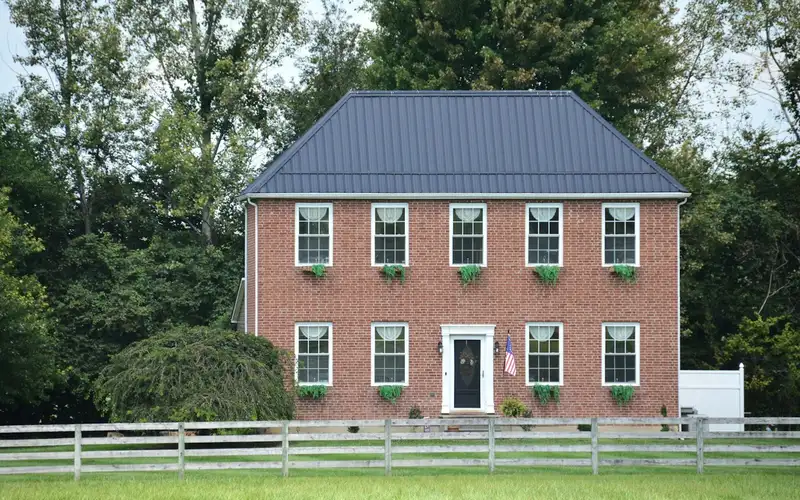
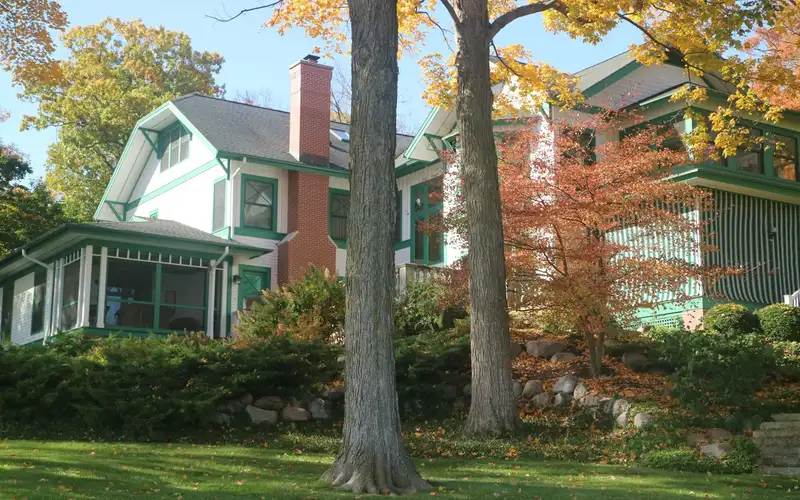
The master plan names these among Winchester's older neighborhoods, Wedgemere dating to the early 1900s, in a town that sits in the Aberjona floodplain (master plan).
FAQ
Winchester tree questions
Can my tree company prune the street tree in front of my house?
Not without a written permit from the Tree Warden, who is the DPW Director unless the Select Board names someone else. Winchester's bylaw counts excessive or improper pruning as tree removal, and each tree removed without a permit can bring a fine of up to $500.
What happens if I ask for a healthy street tree to come out?
The Tree Warden posts notice and holds a public hearing. You pay for a newspaper notice two weeks running and notify parties of interest in writing; written objections send the decision to the Select Board. The Tree Warden estimates costs such as ads, an arborist inspection, removal, replacement trees or a tree-fund contribution and police details, and you pay before work starts.
What does it take to cut a tree near a wetland?
Conservation Commission approval for any tree in a wetland or its 100-foot buffer. Under the September 2025 regulation, a healthy tree 6 inches or more across may need replacement by equal total diameter, for example 3 trees or $2,100 for a 6-inch tree and 10 trees or $7,000 for a 20-inch one. Unsafe trees and tree of heaven are exempt. Conservation is at 781-721-7152.
Do I need a permit to burn brush in Winchester?
Yes. The Fire Department requires a permit for all outdoor burning, issues it free by phone, and allows burning from January 15 through May 1, 10 a.m. to 4 p.m. Stumps, leaves and grass can't be burned. Fire prevention is at 781-382-5702.
What does it cost me to use New England Tree Service?
Nothing. The request and the referral are free; the tree company prices the work.
Nearby